
Broyhill Attic Heirlooms Bedroom Collection
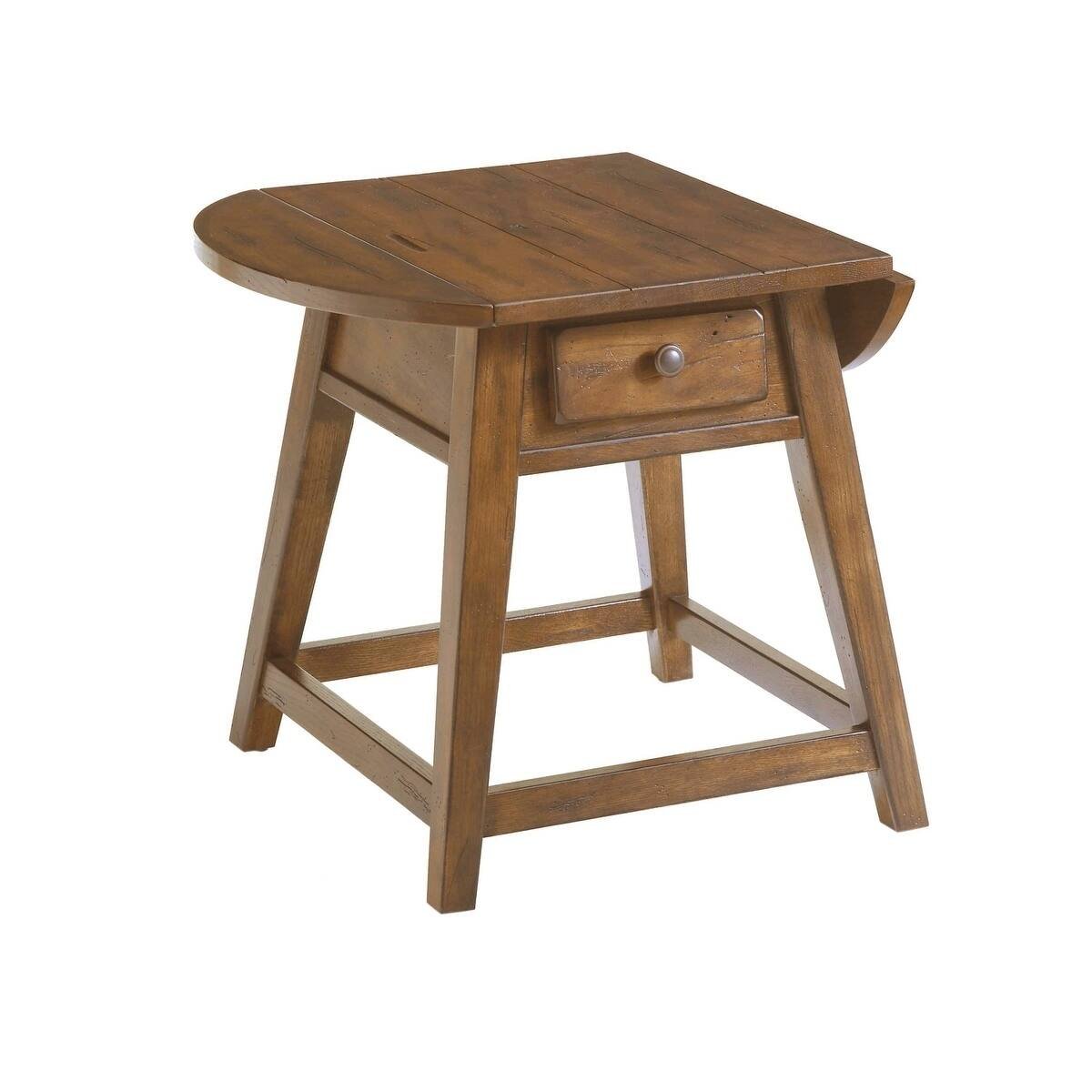
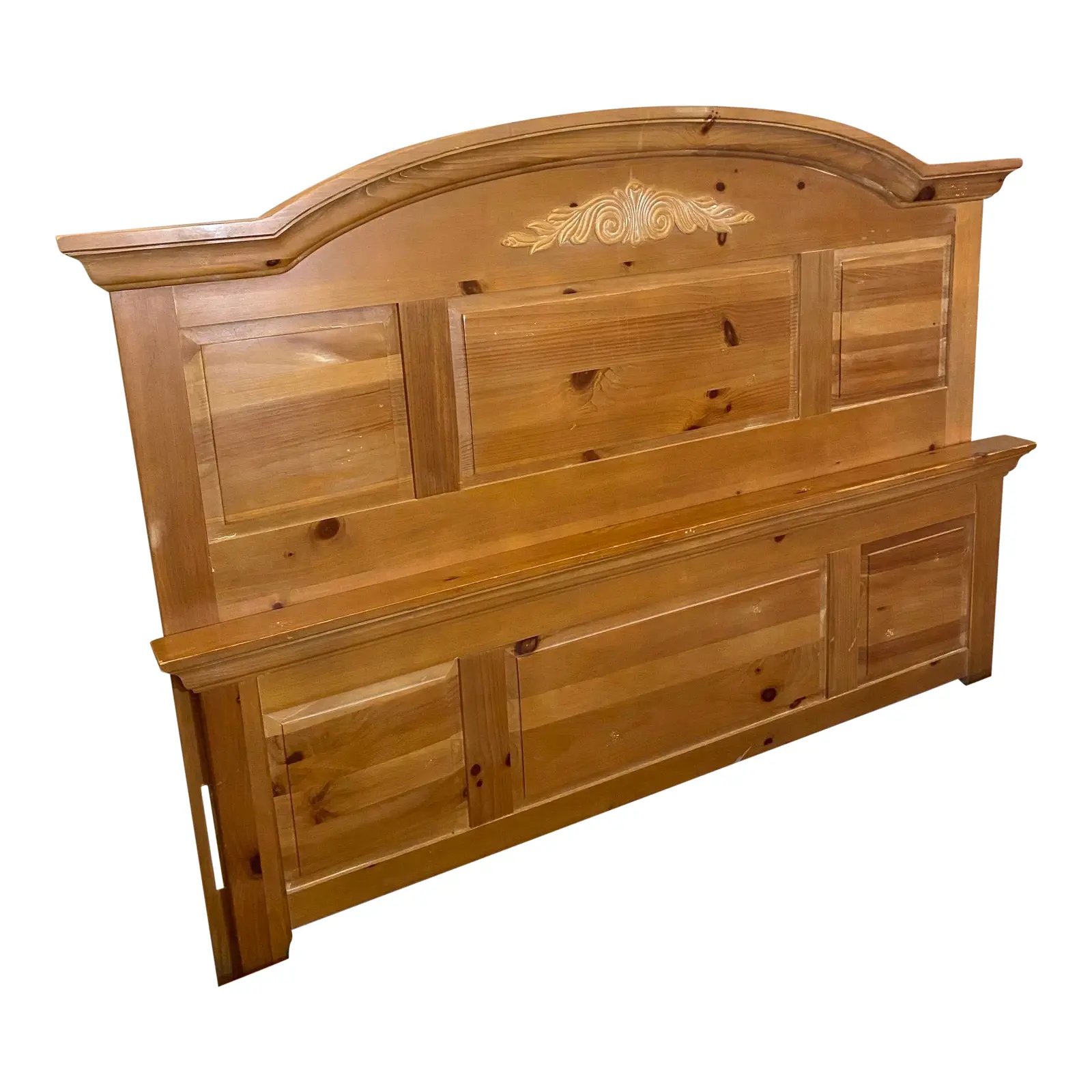
Our Attic Heirlooms Feather Bed anchors your master bedroom with authentic rustic character that only gets better with age. We build each frame from solid oak, then hand-distress the wood to create the worn patina of a genuine antique. The raised panel headboard stands 60 inches tall, while the low footboard preserves sightlines across the room.
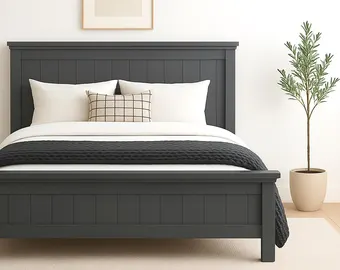
We build every piece in the Broyhill Attic Heirlooms collection from solid oak, not veneered particleboard. The wood arrives at our finishing facility in its raw state, then our craftspeople hand-distress each surface to create the worn edges and color variation you’d find on furniture that lived through decades of actual use. We add dings, scrapes, and worn corners deliberately, then apply a natural finish that soaks into the grain.
Traditional joinery methods throughout
Mortise-and-tenon frame assembly
We join bed rails to posts using mortise-and-tenon construction — the same method cabinetmakers have relied on for centuries. A tenon cut into the end of each rail fits into a corresponding mortise chiseled into the post, then we secure the joint with hardwood pegs. This creates a mechanical lock that tightens over time rather than loosening.
English dovetail drawers
Every drawer in the collection features English dovetail joinery at all four corners. We cut interlocking pins and tails into the solid oak drawer sides, creating joints that resist pulling apart even under heavy loads. The drawers ride on full-extension ball-bearing glides rated for 75 pounds, and the bottoms float in grooves cut into the sides to allow for wood movement.
Dimensions and bedroom layout planning
The Feather Bed requires different clearances depending on size. Queen frames measure 64 inches wide, while king frames span 80 inches — both run 88 inches long from headboard to footboard. Plan for at least 30 inches of walkway space on each side of the bed and 36 inches at the foot for comfortable movement.
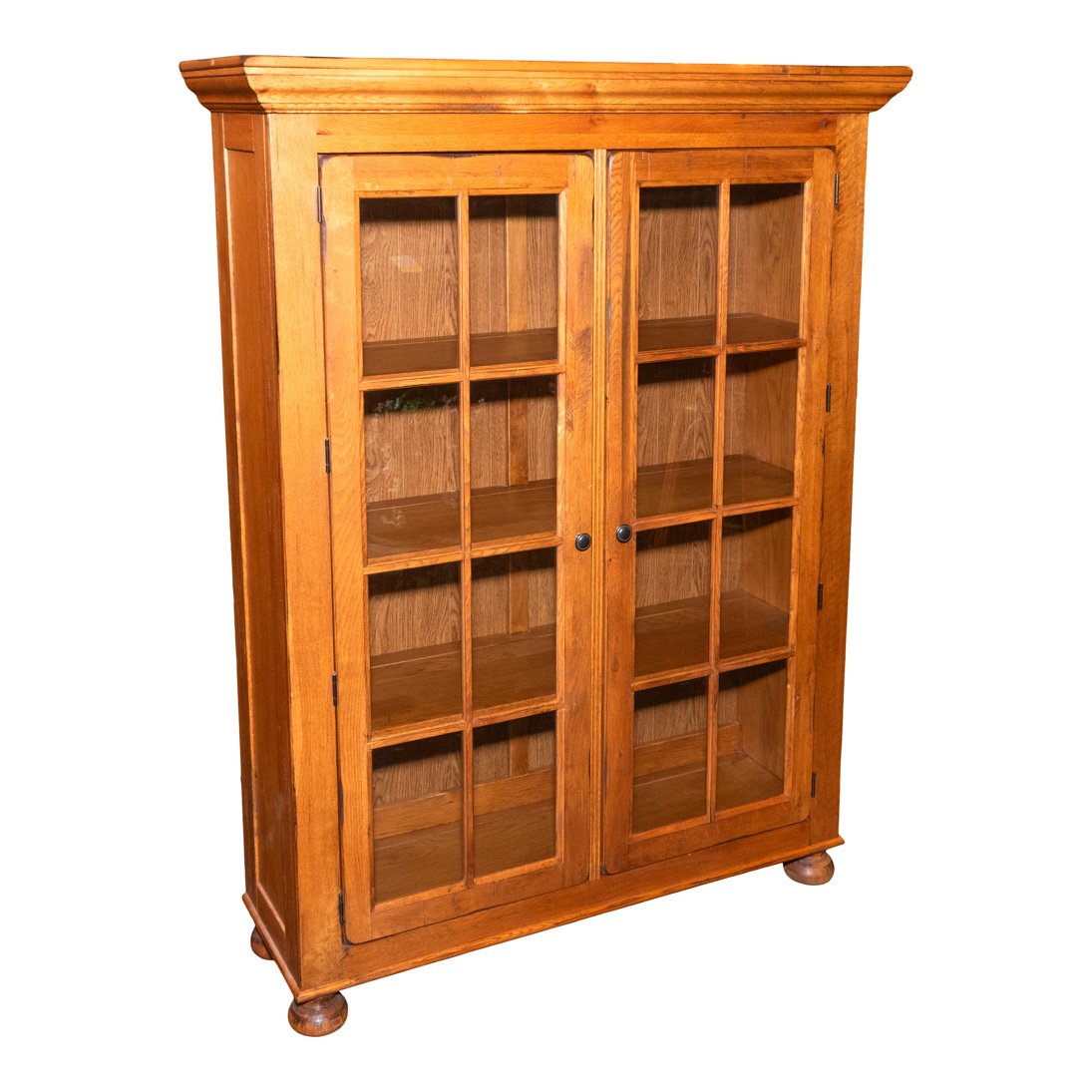
The Door Chest stands 60 inches tall and works well in corners or flanking windows where a standard nine-drawer dresser wouldn’t fit. Our Chesapeake Door Nightstands measure 28 inches wide, sized to align with the bed height when you’re reaching for a glass of water or turning off a lamp. If you’re furnishing a smaller bedroom, the Door Chest and nightstands alone create a functional layout without overwhelming the room.
Craftsmanship & construction details
Complete your Attic Heirlooms bedroom suite
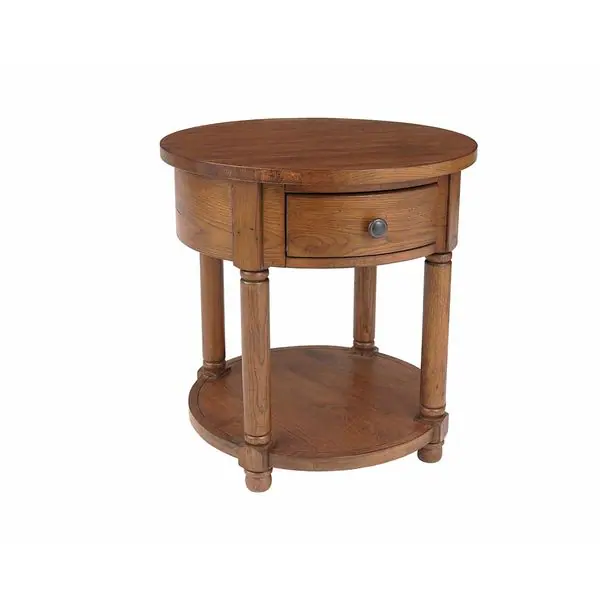
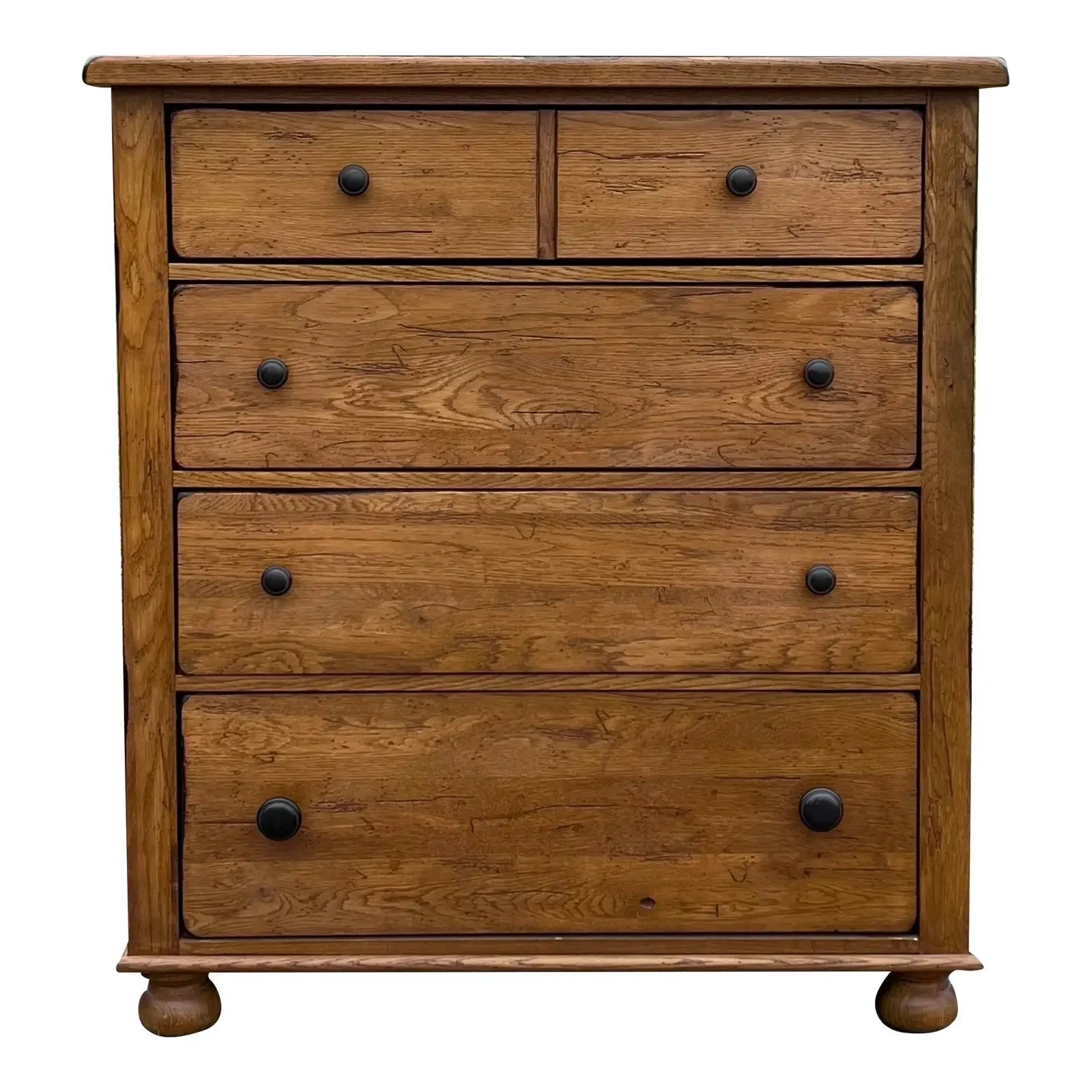
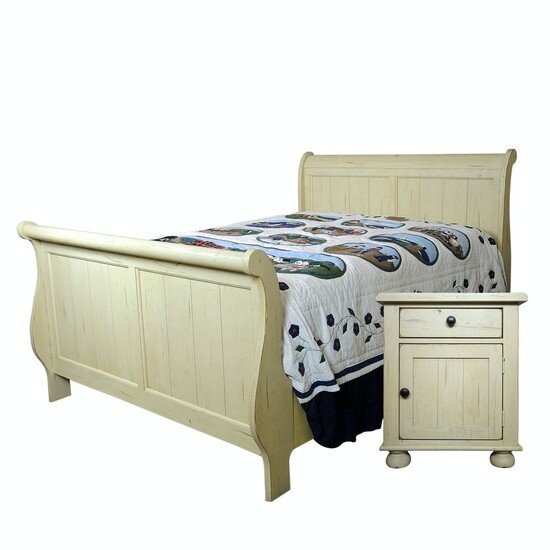
Customer reviews
Questions about Attic Heirlooms furniture
The Attic Heirlooms collection remains in active production as one of our core bedroom and dining lines. We continue to build all pieces using the same solid oak construction and hand-distressing techniques the collection launched with. Availability of specific items can vary by season due to the time-intensive finishing process, but the collection itself is not discontinued.
If you’re looking for a specific piece that’s currently out of stock, contact our customer service team for production timelines. We manufacture in batches to maintain consistent quality across the hand-distressing process.
Attic Heirlooms uses solid oak with hand-distressed finishing to create rustic character, while our Fontana collection features cherry wood with traditional carved details and a smooth finish. The construction quality is comparable across collections — mortise-and-tenon joinery, dovetailed drawers, and solid wood throughout.
The choice comes down to aesthetic preference. Attic Heirlooms suits farmhouse, cottage, and rustic interiors where you want visible wear marks and natural wood grain. Fontana works better in traditional or transitional spaces where you prefer smooth surfaces and decorative carving.
We sell every piece in the collection individually. You can start with just a bed frame and add storage pieces later, or purchase the complete bedroom suite upfront. Many customers begin with the Feather Bed and two nightstands, then add the Door Chest or mirror as budget allows.
Because we build all pieces to the same specifications, items purchased years apart will still coordinate. The hand-distressing varies slightly between production runs, but that variation is intentional and actually makes mixed-vintage pieces look more authentic together.
Plan for 30 inches of walkway space on each side of the bed and 36 inches at the foot for comfortable movement and bed-making. The queen bed requires a bedroom at least 11 feet wide to accommodate the frame plus minimum clearances on both sides. King beds need at least 12.5 feet of width.
If your bedroom is smaller, consider placing one side of the bed against a wall. The headboard stands 60 inches tall, so leave at least 6 inches between the headboard and any wall-mounted fixtures or windows to prevent the frame from blocking them.
We apply the distressed finish to all visible surfaces — the fronts, sides, and tops of case pieces. The backs of dressers and chests receive a sealer coat but not the full distressing treatment, since those surfaces sit against walls. Bed frames are finished on all four sides since they’re visible from multiple angles.
Drawer boxes are constructed from solid oak but receive a clear finish rather than the distressed treatment. This keeps drawer interiors smooth for clothing storage while maintaining the solid wood construction throughout.
The bed frame includes a slat support system designed for mattresses up to 14 inches thick. You don’t need a box spring — the slats provide adequate support for memory foam, latex, hybrid, and traditional innerspring mattresses. If you prefer additional height or want to use a thinner mattress, you can add a low-profile box spring, but it’s not structurally necessary.
The side rails sit 7 inches off the floor. Add your mattress thickness to determine the final bed height for nightstand coordination. Most standard mattresses result in a sleeping surface 21-23 inches high, which aligns well with our 28-inch-tall nightstands.
Minor scratches typically blend into the existing distressing and don’t require repair. For deeper gouges that expose bare wood, use a furniture touch-up marker in natural oak or golden oak to color the exposed area. Apply the marker, let it dry for a minute, then buff lightly with a soft cloth.
If a corner takes a hard impact and splits the wood, apply wood glue to the crack, clamp if possible, and wipe away excess glue immediately. Once dry, use the touch-up marker to blend the repair. Because the finish is deliberately imperfect, most repairs are invisible once complete. We include care instructions with detailed repair guidance with every furniture order, and you can contact us about repair options for older pieces.