
Broyhill Leather Sofa | Timeless Comfort for Every Living Space
The Geneva brings refined traditional styling to modern living spaces with its rolled arms and nailhead trim. We craft this sofa with genuine top-grain leather that develops a rich patina over time, while high-density foam cushions wrapped in down-blend fiber maintain their shape through years of daily use.


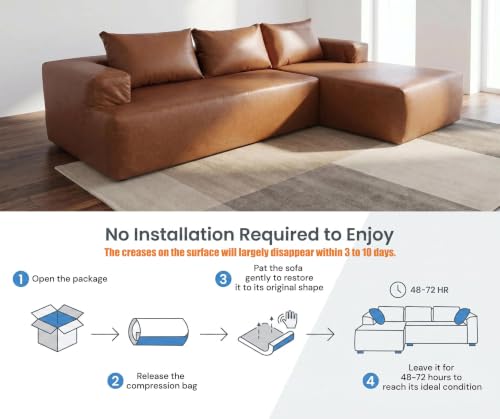

We offer three leather grades across our sofa collection, each suited to different household priorities. Top-grain leather retains the hide’s natural surface with minimal correction, developing character marks and a deepening patina as the material ages. Semi-aniline finishes add a light protective layer that resists minor spills while preserving most surface texture. Corrected-grain leather receives a polymer topcoat for uniform color and enhanced stain resistance, ideal for homes with children or pets.
Frame Construction and Weight Capacity
Every Broyhill leather sofa ships with a kiln-dried hardwood frame engineered to support 750 pounds distributed across the seating surface. We join frame members with mortise-and-tenon connections reinforced by corner blocks glued and screwed into place. This construction method eliminates the squeaks and lateral sway common in stapled-frame furniture.
Eight-way hand-tied spring systems in the Geneva model use individual coils laced together with twine, creating a suspension that flexes independently under each sitter. The Cambridge and Ashford use sinuous springs—S-shaped steel bands that span front-to-back—offering similar support with faster manufacturing. Both systems carry our ten-year warranty against sagging or structural failure, matching standards typically reserved for contract furniture installations.
Sizing Considerations for Different Room Layouts
Measure your room’s longest uninterrupted wall before selecting a sofa length. Our 84-inch Geneva fits most 12-by-14-foot living rooms when positioned against a main wall, leaving 30 to 36 inches of walkway clearance on either side. The 88-inch Cambridge works better in open-concept spaces where the sofa floats away from walls, as its track arms and exposed legs look finished from all angles.
Doorway and Stairwell Clearance
All three models require a 32-inch minimum door width for delivery. The legs detach with four bolts if you need to navigate tight turns, reducing the sofa’s height by 4 inches during maneuvering. Delivery teams carry protective floor sliders and corner guards standard with every order, though ground-floor rooms with straight-shot access simplify the installation process significantly. Second-floor deliveries in homes without elevators may require hoisting through windows for sofas longer than 80 inches.
Core specifications
Complete Your Living Room with Broyhill Seating


Customer reviews


Common Questions About Broyhill Leather Sofas
Leather generally resists pet hair better than fabric upholstery since fur doesn’t embed in the material’s surface. Sharp claws can scratch leather, so we recommend keeping pets’ nails trimmed and providing designated scratching posts for cats.
Corrected-grain leather offers the best scratch resistance due to its protective polymer topcoat, while top-grain leather shows scratches more readily but can be buffed with leather conditioner. Place a throw blanket over high-traffic pet areas to minimize direct claw contact with the upholstery.
Bonded leather consists of leather scraps ground into pulp and mixed with polyurethane binders, then applied to a fabric backing. It typically peels and cracks within two to three years of regular use.
Broyhill uses only genuine leather hides—top-grain, semi-aniline, or corrected-grain—which are full-thickness animal hides processed and finished to different degrees. Genuine leather develops patina rather than peeling, and our frame warranties wouldn’t make economic sense if the upholstery material failed prematurely.
Seat cushions on all three models lift out completely, exposing the spring deck underneath for vacuuming. Back cushions on the Ashford loveseat feature hidden zippers that allow cover removal for professional leather cleaning.
The Geneva and Cambridge have attached back upholstery that requires in-place cleaning with approved leather products. We do not recommend saturating leather with water or general-purpose cleaners, as moisture can stiffen the hide and cause premature cracking in the material’s finish.
In-stock floor models ship within five to seven business days to most continental US addresses. Custom leather color selections or special-order firmness options add three to four weeks to the production timeline, as these pieces are built to order at our North Carolina facility.
White-glove delivery includes placement in your room of choice, carton removal, and basic assembly of legs or other detached components. Delivery teams contact you 24 hours in advance to confirm the arrival window and review any access concerns for your specific location.
Leather cracks when the natural oils in the hide evaporate, leaving the material brittle and inflexible. Low humidity, direct sunlight, and proximity to heat sources accelerate this drying process.
Apply our pH-neutral leather conditioner every six months to replenish oils and maintain flexibility. Position sofas at least two feet from heating vents and use window treatments to block afternoon sun. Running a humidifier during winter months helps maintain the 40-to-50-percent relative humidity range that preserves leather long-term.
Legs on the Cambridge and Ashford models attach with standard 5/16-inch hanger bolts and can be swapped for aftermarket furniture legs of the same threading. The Geneva uses a proprietary mounting plate that requires Broyhill replacement parts to maintain structural integrity.
Replacement legs in alternative finishes—natural oak, black, or brushed nickel—are available through our customer service team. Changing leg height by more than one inch may affect the sofa’s center of gravity and void the tip-over safety certifications on the product.
Leather requires less frequent deep cleaning than fabric since spills sit on the surface rather than soaking into fibers. Routine maintenance involves wiping with a dry cloth weekly and applying conditioner twice yearly—about ten minutes of effort per session.
Fabric sofas need professional steam cleaning every 12 to 18 months to remove embedded oils and dust, a service that costs $150-$300 per piece. Leather’s lower maintenance burden over a ten-year lifespan often offsets its higher initial purchase price compared to similarly constructed fabric upholstery.