
Broyhill Brasilia Dining Table | Mid-Century Modern Icon
Our Broyhill Brasilia dining table is a mid-century modern icon, originally introduced in 1962 as part of the celebrated Brasilia collection. Handcrafted from solid walnut with cathedral-grain veneers, this table features the signature sculptural base and floating top that defined American modern furniture design. The warm walnut finish and sculptural pedestal legs bring organic geometry to any dining space.

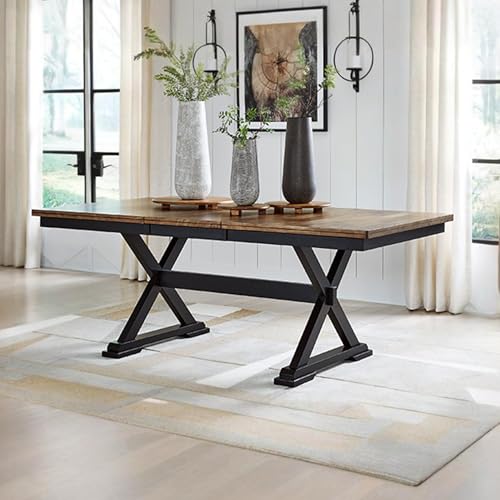


The Broyhill Brasilia dining table is built entirely from solid American walnut, a hardwood prized for its rich brown tones and natural durability. Cathedral-grain veneers on the tabletop create the dramatic book-matched patterns that collectors seek in original mid-century pieces.
Extension Leaves & Seating Capacity
The Brasilia table ships with two 12-inch extension leaves that self-store beneath the tabletop when not in use. A simple pull-apart mechanism lets you extend the table from 60 inches to 72 inches with one leaf, or to the full 84 inches with both leaves inserted.
At 60 inches, the table comfortably seats six with 20 inches of width per guest. Extended to 84 inches, you can accommodate eight diners with generous elbow room. The 42-inch width provides ample space for serving dishes, centerpieces, and table settings without crowding.
Care Instructions for Walnut Furniture
Walnut is a durable hardwood, but it benefits from regular care to maintain its finish. Wipe the table with a soft, dry microfiber cloth after each use to remove dust and prevent buildup. For spills, blot immediately with a clean cloth—never rub, as this can drive liquid into the wood grain.
Avoid placing the table in direct sunlight, which can fade the walnut’s rich brown tones over time. Use placemats and trivets under hot dishes to protect the finish from heat marks. Coasters prevent water rings from cold glasses.
Design & construction details
Complete Your Mid-Century Dining Room


Customer reviews


Broyhill Brasilia Dining Table Questions
Authentic Brasilia tables carry a factory stamp on the underside of the tabletop and a brass medallion on the pedestal base. The stamp typically includes the Broyhill name, the Brasilia collection designation, and a production date or serial number.
Look for solid walnut construction throughout, not particle board or laminate. The extension mechanism should be metal with smooth gliding action. Original brass-tipped feet are another hallmark of genuine pieces. If you’re purchasing from a seller, ask for photos of these identifying marks before committing.
Yes, walnut furniture refinishes beautifully when done correctly. A professional furniture restorer can strip the old finish, sand the wood lightly, and reapply a hand-rubbed walnut finish that matches the original.
Avoid DIY chemical strippers on veneer surfaces, as harsh solvents can damage the glue bond beneath the veneer. If the tabletop has minor scratches or dullness, a furniture restorer may be able to refresh the finish with light sanding and fresh walnut oil, preserving more of the original patina. Refinishing typically costs between four hundred and eight hundred dollars depending on the table’s condition.
The standard table measures 60 inches long, 42 inches wide, and 29 inches high. With one 12-inch leaf inserted, it extends to 72 inches. With both leaves in place, the full length is 84 inches.
The pedestal base spans 24 inches at its widest point, and the table stands on four tapered legs with brass-tipped feet. The apron height is 26 inches, leaving ample knee clearance for diners. These dimensions are consistent across original 1960s models and should match any authentic Brasilia dining table.
At 60 inches, the table comfortably seats six people with standard dining chairs. Each guest has approximately 20 inches of table width, enough room for a place setting and serving dishes in the center.
Extended to 84 inches with both leaves, the table seats eight adults comfortably. Some families squeeze in ten for large gatherings, though seating becomes tighter at the ends. The 42-inch width ensures generous depth at each place setting, even when the table is fully occupied.
Position the table away from direct sunlight to prevent fading of the walnut finish. A room with at least 11 feet by 9.5 feet of space accommodates the 60-inch table with proper clearance for chairs.
If you plan to use the extension leaves regularly, allow 13 feet of length. Center the table beneath a chandelier or pendant light if possible, keeping the fixture 30 to 36 inches above the tabletop. Avoid placing the table near heating vents or radiators, as fluctuating heat can cause wood to expand and contract.
Dust the table daily with a soft microfiber cloth to prevent buildup. For sticky spots or spills, use a cloth dampened with water only—no harsh cleaners or sprays.
Every few months, apply a small amount of furniture paste wax or walnut-specific wood conditioner to nourish the finish. Buff gently with a clean cloth until the surface glows. Always use placemats, trivets, and coasters to protect the finish from heat and moisture. With regular care, the walnut will develop a rich patina that enhances the table’s character over decades.
Original Broyhill replacement parts are difficult to source, as the Brasilia line was discontinued decades ago. However, specialty mid-century furniture restorers often fabricate custom parts for vintage pieces.
If you need replacement brass feet, extension hardware, or table slides, contact a restoration shop that specializes in 1960s American furniture. They can match the finish and hardware style to your existing table. Some online vintage furniture communities maintain lists of recommended restorers who work with Broyhill pieces regularly.